

Last Updated 05/14/2026
I’ve seen this exact funnel structure more times than I can count.
A bold income claim.
A hidden “AI traffic loophole.”
And a video supposedly disappearing at any moment.
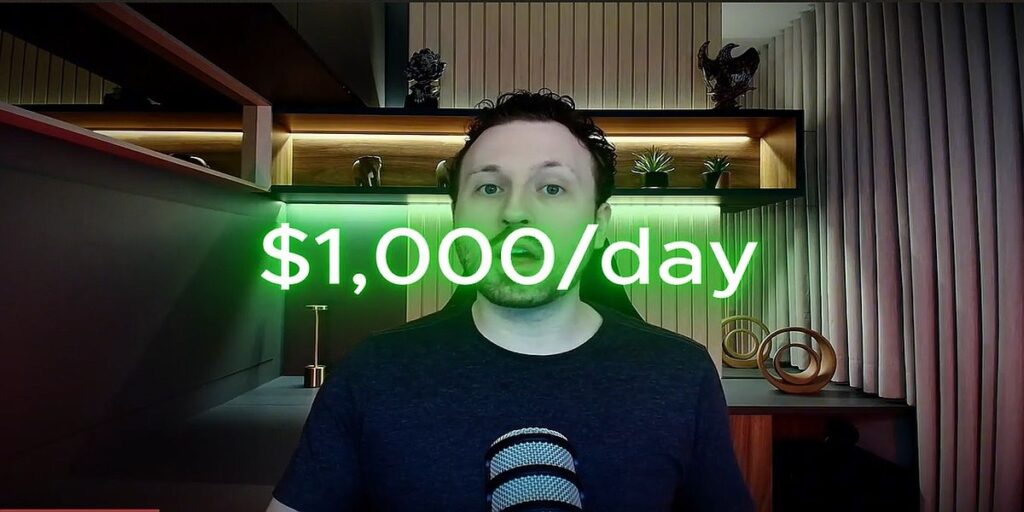
This time, it’s called the Shadow Affiliate System — claiming beginners can generate up to $1,000 per day using secret AI-driven traffic methods.
But after investigating enough make money online funnels over the years, I’ve learned something important:
When a sales page focuses heavily on outcomes while staying vague about the actual process, it’s usually worth slowing down and taking a much closer look.
And honestly, that’s exactly what happened here.
The deeper I dug into the Shadow Affiliate System funnel, the more it reminded me of other systems I’ve investigated recently like:
- The Invisible Affiliate System
- Super Affiliate AI
- and several other AI-driven affiliate marketing funnels built around urgency, hidden “loopholes,” and simplified income promises.
That doesn’t automatically mean the system is fake.
But it does raise important questions about:
- realism
- expectations
- and how beginner-friendly this actually is once you move beyond the marketing itself.
So in this review, I want to break down:
- what the Shadow Affiliate System claims to offer
- how the funnel is structured
- the biggest red flags I noticed
- and whether this is realistically a smart path for beginners trying to make money online.
TL;DR — Shadow Affiliate System Review
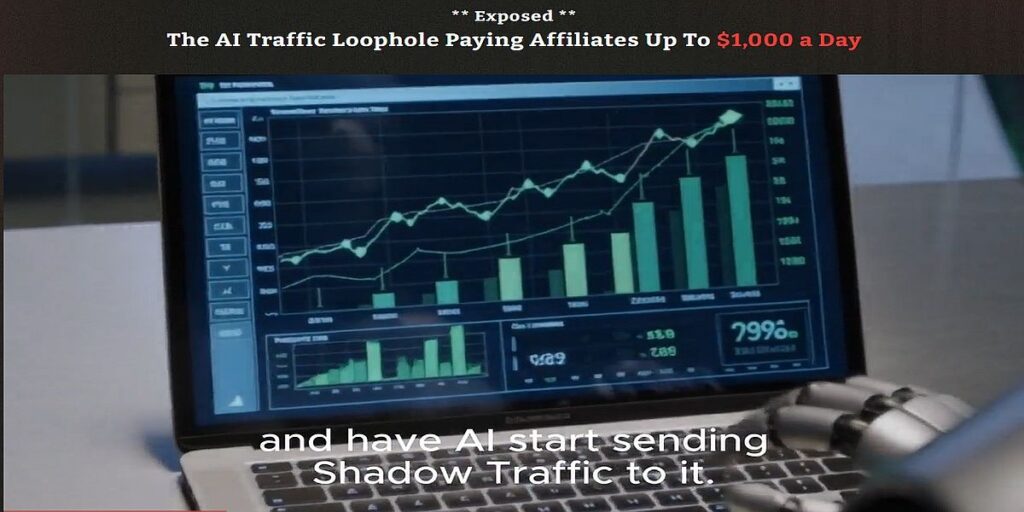
The Shadow Affiliate System is built around the idea of a hidden “AI traffic loophole” capable of generating up to $1,000 per day for beginners.
After reviewing the funnel, my biggest concern is not affiliate marketing itself…
It’s the heavy focus on:
- fast income
- urgency
- hidden traffic methods
- and outcomes
…while staying extremely vague about the actual process behind how the system works.
This type of funnel structure is very common throughout the make money online space, especially in offers built around:
- AI hype
- “secret” traffic methods
- and beginner-friendly income promises.
Can affiliate marketing work?
Absolutely.
But in my opinion, beginners are much better off learning:
- real marketing skills
- SEO
- content creation
- and long-term traffic strategies
Instead of relying on systems built around shortcut-style marketing claims.
What Is The Shadow Affiliate System?
The Shadow Affiliate System is presented as a step-by-step training program designed to help beginners generate income online using what it calls a “shadow traffic” method.
According to the sales page, the system focuses on:
Creating and managing affiliate campaigns
Finding profitable offers
Driving traffic using a method that doesn’t rely on traditional platforms
The main hook revolves around the idea that this “traffic loophole” is different from what most people are doing—and that it can produce results quickly, even for beginners.
The program is offered at a one-time price of $97, with additional claims of:
Case studies showing high earnings
A simple process that can be applied to different niches
And a system that can be scaled once it starts working
On the surface, it’s positioned as a beginner-friendly way to get started with affiliate marketing without needing prior experience.
But as with most offers in this space, the details that matter aren’t always front and center.
To understand how this actually works, you have to look beyond the headline claims and break down how the funnel is structured.
What The Sales Page Is Really Telling You
At first glance, the Shadow Affiliate System looks like just another online opportunity.
But when you slow things down and actually look at how the page is structured…
A pattern starts to emerge.
The Income Claim Comes First
One of the first things you’re hit with is the idea that this system can generate up to $1,000 a day.
That’s not positioned as a long-term possibility.
It’s framed as something that’s within reach—especially for beginners.
This is important, because it sets the expectation before anything is explained.
You’re not being shown how it works first.
You’re being shown what you could potentially earn.
The “Loophole” Angle
The entire offer is built around the idea of a hidden traffic source.
Something most people don’t know about.
Something that supposedly gives you an edge.
This is a common approach in these types of funnels.
Because it creates the feeling that:
You’ve discovered something early
You’re getting access to something others don’t have
And that timing matters
But when something is framed as a “loophole,” it’s worth asking a simple question:
If it works that well… why is it being sold?
Urgency Is Built Into The Funnel
Another thing you’ll notice is the pressure to act quickly.
Statements like:
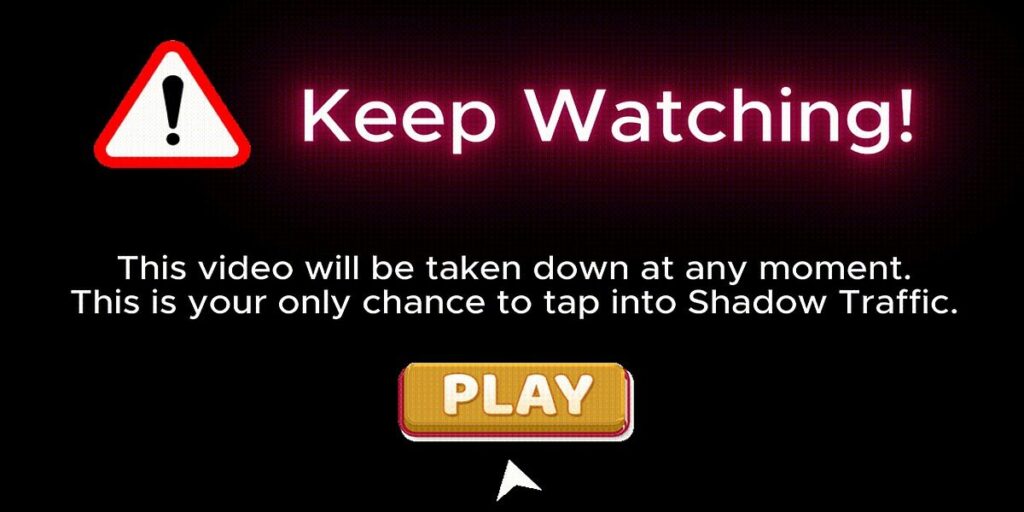
“This video could be taken down at any moment”
are designed to do one thing:
Stop you from taking time to think.
Because the longer you step away from a page like this, the more likely you are to question it.
So the funnel tries to keep you moving forward.
The Value vs Price Setup
Toward the bottom of the page, the offer is presented with a high “perceived value” followed by a much lower price.
Thousands of dollars in value…
Available today for $97.
This creates the feeling that you’re getting a deal.
But without a clear breakdown of what’s actually included, it’s hard to measure that value in any meaningful way.
The Missing Piece
What stands out the most isn’t what’s shown…
It’s what’s missing.
There’s no clear explanation of:
How traffic is actually generated
What you’ll be doing step-by-step
Or how beginners are expected to get results
Instead, the focus stays on outcomes.
And that’s where most people get stuck.
Because without understanding the process, it’s hard to know whether something is realistic—or just well presented.
Once you start looking at it this way, the page stops feeling like an opportunity…
And starts looking like a funnel designed to guide you toward a specific decision.
Red Flags You Shouldn’t Ignore
By this point, a few patterns should already be standing out.
On their own, some of these things might not seem like a big deal.
But when they all show up together…
That’s when you need to slow down and take a closer look.
Unrealistic Income Expectations
The idea of making up to $1,000 a day is one of the main hooks used to pull people in.
The problem isn’t that high income is impossible.
It’s how it’s being presented.
There’s no context around:
How long it takes to get there
What’s required to make it happen
Or how many people actually achieve those results
Without that, it creates an expectation that isn’t grounded in reality.
Pressure To Act Quickly
When you see statements like:
“This video could be taken down at any moment”
It’s not about protecting the information.
It’s about speeding up your decision.
Because when you feel like time is limited, you’re less likely to step back and think things through.
Vague Explanations
One of the biggest red flags is when an offer focuses heavily on outcomes but avoids explaining the process.
In this case, you’re told:
There’s a “traffic loophole”
It works across different niches
It can generate consistent income
But you’re not shown:
What the traffic source actually is
How it’s being used
Or what you’ll be doing day-to-day
That lack of clarity makes it difficult to evaluate whether the system is realistic—or just well presented.
High Value Claims Without Breakdown
Listing a high “value” and then dropping the price is a common tactic.
But without a clear breakdown of what’s included, that number doesn’t mean much.
It’s meant to create urgency and make the offer feel like a deal.
Not to help you understand what you’re actually getting.
Heavy Focus On Results Over Skills
This might be the most important one.
Everything on the page points toward what you can earn.
Very little is focused on what you need to learn.
That’s a problem.
Because without the skills to understand how something works, you’re relying entirely on the system itself.
And if that system doesn’t deliver…
You’re left with nothing to build on.
If you’ve come across other funnels like this, you’ve probably seen these same patterns before.
One example that follows a very similar structure is:
500/Day AI Funnel Review – Scam or Legit?
Different name.
Different angle.
But the same underlying approach.
The goal here isn’t to assume everything is a scam.
It’s to recognize patterns early—before they cost you time or money.
How This Funnel Actually Works
Once you step back and look at the structure, this isn’t really about a “loophole.”
It’s a funnel.
And it follows a very specific sequence designed to move you from curiosity to purchase as quickly as possible.
Step 1: The Hook
It starts with a strong claim.
An income number that grabs your attention.
A new method that feels different from everything else.
Something that makes you think:
“This might actually work.”
Step 2: The Curiosity Gap
Instead of explaining how it works right away, the page leans into mystery.
You’re told just enough to stay interested…
But not enough to fully understand what’s going on.
This keeps you watching, scrolling, and looking for the answer.
Step 3: The Emotional Pull
As you move through the page, the focus shifts toward outcomes.
What you could earn.
How your situation could change.
What life might look like if it works.
At this point, it’s less about logic—and more about possibility.
Step 4: The Offer
Once your attention is locked in, the product is introduced.
A system that supposedly gives you access to everything you need.
Positioned as simple.
Positioned as beginner-friendly.
Positioned as something you can start right away.
Step 5: The Close
Finally, the pressure is applied.
Urgency.
Scarcity.
A discounted price.
All designed to push you toward a decision before you’ve had time to step back and evaluate what’s actually being offered.
Why This Matters
None of this is unique.
In fact, it’s the same structure used across a lot of similar funnels in this space.
You’ll see it in offers like:
The Automatic Affiliate Review – Scam or Legit? (AI Traffic Breakdown)
and
Freedom Blueprint Review – Scam or Legit? My Full Investigation
Different branding.
Different messaging.
But the same underlying framework.
The problem isn’t the funnel itself.
Funnels are just a way of presenting an offer.
The problem is when the focus stays on the outcome…
And skips over the process completely.
Because without understanding how something works, you’re not building anything.
You’re just buying into the next step.
That’s why recognizing this structure is so important.
Once you see it, it becomes a lot easier to slow down, ask better questions, and decide whether something actually makes sense for you.
Can You Actually Make Money With This?
This is the question most people are really asking.
Not what the page says…
Not what’s being promised…
But what actually happens once you get inside.
And the honest answer is:
It depends.
Not on the system alone—but on what you actually understand going in.
The Reality Most People Run Into
From what I’ve seen—and experienced myself—programs like this tend to follow a similar path.
You get access to the training.
You’re introduced to an approach that sounds simple on the surface.
But once you start going through it, you realize there are gaps.
Things that aren’t fully explained.
Steps that assume you already know what you’re doing.
And that’s where most beginners start to struggle.
My Experience With Similar Systems
I didn’t buy this specific program.
But I’ve been through enough of these over the years to know what usually comes next.
You’re given a system to follow.
You’re told it works.
But you’re not always shown:
How to adjust when something doesn’t work
How to build on what you’re learning
Or how to create something that lasts beyond the system itself
That’s where things tend to break down.
Because without understanding the process, you’re relying on the system to do the work for you.
And that rarely plays out the way it’s presented.
Can It Work?
In some cases, yes.
Affiliate marketing itself is real.
People do make money with it.
But it doesn’t come from:
Following a script blindly
Relying on a single “loophole”
Or expecting fast results without building anything
It comes from:
Understanding how traffic works
Learning how to create value
And building something that people actually trust
The Bigger Issue
The biggest problem isn’t whether a system like this can work.
It’s how it’s being presented.
Because when the focus stays on outcomes…
And skips over the process…
It creates expectations that most people can’t realistically meet.
And that’s where frustration sets in.
If you’ve seen other funnels like this, you’ve probably noticed the same pattern.
One example that follows a very similar approach is:
Facebook Work From Home Ads – Scam or Legit?
Different messaging.
Same structure.
The goal here isn’t to say nothing works.
It’s to understand what actually does—and why.
Because once you have that clarity, it becomes a lot easier to make decisions that move you forward instead of sending you in circles.
What I Recommend Instead
At this point, you’ve seen how this funnel is structured.
The claims.
The pressure.
The way the offer is positioned.
And more importantly—you’ve seen what’s missing.
Not just in this system, but in a lot of similar ones.
That missing piece is the process.
How things actually work.
How to build something that lasts beyond a single system or “loophole.”
A Different Approach
Instead of chasing the next opportunity, the focus needs to shift toward learning the foundation.
Understanding:
How traffic actually works
How to create content that helps people
And how to build something that can grow over time
Because once you understand that, you’re no longer dependent on any one system.
What Worked For Me
What finally made the difference for me wasn’t another funnel.
It was finding a platform that actually teaches you how this works step by step.
Not just what to do…
But why you’re doing it.
That’s what allowed things to finally start making sense.
If you want to see the platform I’ve been using since 2014, I break it down in detail here:
You can also explore it yourself and see how it’s structured.
You can start for free and go through the first part of the training without paying anything.
If you decide to continue, that’s where the full platform comes in—the same training I’ve been using since 2014.
No pressure to upgrade, and you can stay a free member as long as you want.
If You Want The Full Picture
If you’re trying to figure out what actually works—and what doesn’t—I break that down step-by-step here:
How To Make Money Online Safely (Without Getting Scammed)
That article connects everything.
Not just one system.
But the bigger picture behind how online income is actually built.
This isn’t about finding the next shortcut.
It’s about building something that makes sense—and gives you control over how you move forward.
Frequently Asked Questions
Is the Shadow Affiliate System legit?
It’s a real product, but that doesn’t automatically mean it’s a good fit for beginners. The way it’s presented raises some concerns around expectations and clarity.
Can beginners make money with this system?
Possibly—but only if they already understand how affiliate marketing works. Most beginners need a stronger foundation before results become realistic.
What is the “AI traffic loophole” they mention?
Based on the sales page, it’s described as a unique traffic method. However, there’s no clear explanation upfront of how it works or how beginners are expected to use it effectively.
Why do these types of funnels feel similar?
Because they often follow the same structure—strong income claims, urgency, and limited explanation of the actual process.
What should I look for before buying a program like this?
Focus on whether the system clearly explains how it works, what you’ll actually be doing, and whether it teaches skills you can build on long-term.
About the Author

Jason Taft, founder of Scam Busters USA
I’m not a guru, and I’m not here to sell hype.
I’m someone who’s clicked the ads, tested the systems, and spent years figuring out what actually works—and what doesn’t in the make money online space.
Some things worked.
A lot didn’t.
That’s exactly why I created Scam Busters USA.
To break down what’s real, what’s misleading, and help people avoid wasting time on the wrong opportunities.
Everything you read here is based on real experience—not theory.
Some links on this page are affiliate links, which means I may earn a commission if you choose to sign up—at no extra cost to you. I only recommend platforms and tools I trust based on my experience, and my goal is to help you make informed decisions—not to push you into anything.
“AI-assisted tools were used to help enhance images and improve formatting/editing. The opinions, experiences, and final written content are human-created.